The argument that wins
The county isn’t coming to fix our roads.
Ask anyone in Niwot about the roads. You already know the answer.
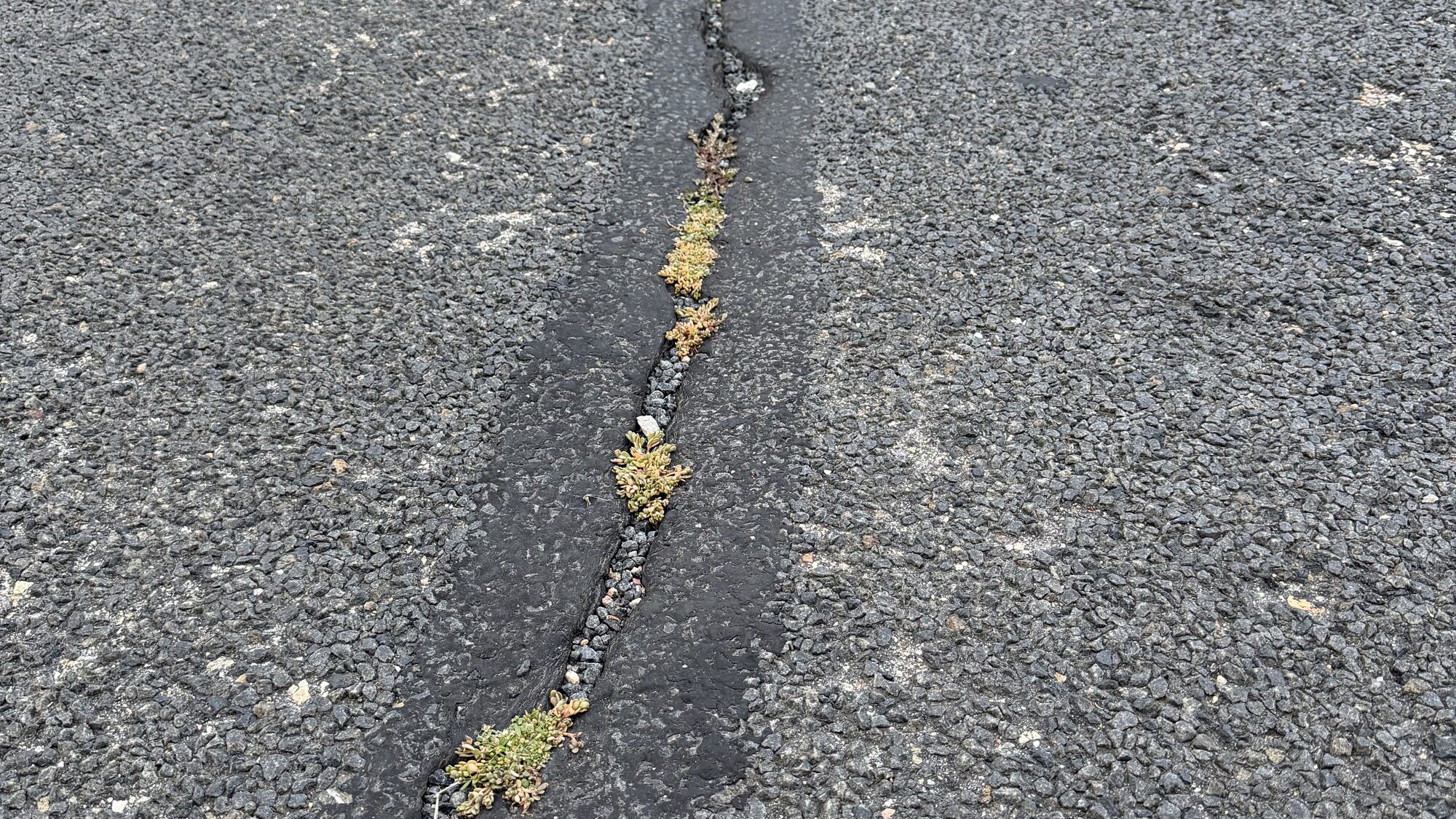
The roads are a joke. Streets that haven’t been touched in years. And here’s the part that should bother all of us: Boulder County has no plan to fix them. We are a rounding error in a county of 330,000 people — Niwot is about 1.3% of the county vote — so our streets wait at the back of a line that never moves.
What does another five years of that look like? The same potholes, the same patch jobs, the same answer when you call: it’s on the list. Doing nothing isn’t safe. It’s just slow decline you can feel in your steering wheel.
And it isn’t only what you feel behind the wheel. Stretches of downtown sidewalk have been broken for years. Kathy Kohler, president of the Niwot Historical Society, tripped on one back in 2019 and broke her wrist. Six years later, after neighbors kept asking, it still isn’t fixed. When no one’s whole job is Niwot, this is what “on the list” really means.
The fix
A town fixes its own roads. On its own schedule.
Incorporation gives Niwot a say and a budget of its own. A town sets its own priorities, keeps up its own streets, and answers to the people who drive them — not to an office twenty miles away. The roads stop being someone else’s afterthought and become our own responsibility, on our own timeline.
The clincher
Isn’t a special district a cheaper way to fix just the roads?
It’s the opposite — and it gets worse every year we wait. A roads-only special district (a PID) funds itself almost entirely from property tax, so the whole bill lands on homeowners. A town funds roads through a 2.5% sales tax and a 4-mill property levy, so every shopper and visitor who spends a dollar in Niwot helps pay for Niwot.
And a PID only gets more expensive. Roads degrade every year — once pavement drops far enough, the repair cost triples or quadruples — and the county no longer chips in the way it once did. So the price of a roads-only district has climbed every time it’s come up: about 7.15 mills on the 2013 ballot, 12 mills when residents drew one up in 2025, and an estimated ~15 mills community-wide today. A neighborhood-only PID runs closer to ~32 mills. The town plan raises a comparable total once you count the 2.5% sales tax next to the 4-mill levy — but a PID collects the whole thing from homeowners, where the town puts only 4 mills on your property tax and lets the sales tax carry the rest.
- Town roads plan4-mill levy + 2.5% sales tax
- PID — 2013 ballotfailed7.15 mills
- PID — 2025 proposalpostponed12 mills
- PID — 2026 estimatecommunity-wide~15 mills
- Neighborhood-only PIDper neighborhood~32 mills
The town plan and the 2025 PID raise about the same total. The difference is who pays: a PID puts the whole bill on homeowners’ property tax, while the town lands only 4 mills there and lets a 2.5% sales tax — paid by every shopper and visitor — carry the rest. And the longer we wait, the higher the PID climbs.
The repair bill behind it climbs the same way: about $15 million to fix the roads now, roughly $22 million if we wait until 2034, and about $33 million by 2040 — nearly 50% more, then more than double. Waiting isn’t the cheaper choice. It’s the most expensive one there is.
Strip away the numbers and it’s really a question of character. The neighbors who came before us planted the cottonwoods we walk under and built the downtown we’re trying to save — they did the hard thing so we’d inherit something whole. This is our turn at that. We can fix the roads now, while the bill is ours to carry, or look away and hand our kids the same broken streets at twice the price. The best towns are built by people willing to do the work they’ll only half get to enjoy.
Same roads, but the town asks about a third of the property tax a PID would — and you get everything else a town can do, not just the pavement.
Curious what your share actually comes to? See the cost, down to the month.
Make it count